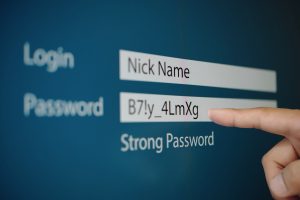
In a world where cyber threats grow more sophisticated every day, protecting your personal information has never been more important. While security tools like antivirus software and firewalls play a vital role, one of the simplest and most effective ways to safeguard your accounts is by using strong, unique passwords.
Weak or reused passwords remain one of the leading causes of data breaches. Cybercriminals know this, which is why they often target accounts using automated tools that can guess thousands of passwords per second. The good news? A strong password can stop them in their tracks.
Below, we explore why strong passwords matter and share practical steps you can take today to prevent your data from being leaked.
Why Strong Passwords Matter
1. Passwords Are the First Line of Defence
Your password is often the only barrier between a cybercriminal and your personal information, banking details, email accounts, or business data. A strong password makes it significantly more difficult for an attacker to break in.
2. Cybercriminals Use Automated Cracking Tools
Hackers use automated software that can try every possible combination of letters and numbers in seconds. Short or simple passwords take mere moments to crack, whereas long, complex ones can take years—or even centuries.
3. Data Breaches Are Becoming More Common
Thousands of breaches occur each year, exposing email addresses, passwords, and personal data. If you use the same password everywhere, one breach can give criminals access to all your accounts.
4. Personal and Financial Loss Can Be Devastating
A compromised account can lead to identity theft, stolen money, fraudulent purchases, or even someone gaining access to your private conversations and files. The consequences can take months or years to fully resolve.
How to Create Strong Passwords
A strong password should be:
- At least 12 characters long
- A mix of uppercase and lowercase letters
- Include numbers and special characters
- Not based on real words, names, or personal information
Examples of strong password formats:
- Random phrase method: Sunset!River92*Coffee
- Random character generator: hT7$fpR9!mQ2
- Combined words and symbols: Blue-Piano!93*Tree
Avoid predictable sequences like 123456, password, birthdays, pet names, or repeating patterns.
How to Protect Your Data From Being Leaked
1. Use a Password Manager
Password managers generate secure passwords and store them safely so you don’t need to remember each one. They also warn you of reused or weak passwords.
Recommended options include:
- Bitwarden
- 1Password
- LastPass
- Dashlane
2. Enable Two-Factor Authentication (2FA)
Even the strongest password can be compromised, which is why 2FA adds an additional layer of protection. This may be a code sent to your phone, an authenticator app, or a hardware security key.
3. Avoid Reusing Passwords Across Accounts
If one site is breached and you’ve reused your password elsewhere, attackers can quickly break into several of your accounts. Keep every password unique.
4. Be Cautious With Suspicious Emails and Messages
Phishing scams are designed to trick you into giving away your login details. Never click suspicious links, and always verify the sender before entering your password.
5. Regularly Update Your Passwords
Changing your most important passwords—like email, banking, and social media—every few months reduces risk, especially if you suspect a breach.
6. Check if Your Email Has Been Leaked
Tools such as Have I Been Pwned let you check if your email or passwords have appeared in known data breaches. If they have, update your passwords immediately.
7. Keep Your Devices Secure
Install updates, use antivirus software, and avoid public Wi-Fi for sensitive activities. Cybercriminals often exploit outdated systems.
Conclusion
Strong passwords aren’t just a recommendation—they’re a necessity in today’s digital world. With the rise in cybercrime and data breaches, taking proactive steps to protect your accounts can save you from serious trouble in the future.
By using strong passwords, enabling two-factor authentication, and keeping your online habits secure, you dramatically reduce the risk of your personal or business data being leaked.
Small steps today can prevent big headaches tomorrow—so strengthen your passwords and secure your digital life now.