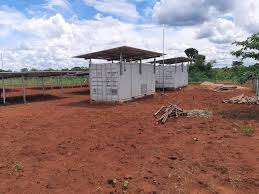
Over the last decade, cryptocurrency has moved from a niche interest to a mainstream industry. As digital currencies like Bitcoin and Ethereum have grown, so has the demand for crypto mining—a process that verifies transactions and generates new coins. While mining operations are often associated with high-tech data centres in large cities, many companies have increasingly turned their attention to rural areas. But what exactly is crypto mining, and how does it affect the communities that host these operations?
What Is Crypto Mining?
At its core, crypto mining is the process of solving complex mathematical problems using powerful computers. These problems validate blockchain transactions, keeping the cryptocurrency network secure and decentralised. In return for this work, miners receive rewards in the form of newly minted coins.
Mining requires:
- High-performance computer hardware
- Large amounts of electricity
- Cooling systems to prevent overheating
- Reliable internet connectivity
Because mining is energy-intensive, miners often look for locations where electricity is cheap and local regulations are favourable—conditions that sometimes lead them to rural communities.
Why Mining Companies Choose Rural Areas
1. Lower Energy Costs
Many rural regions offer lower electricity prices, especially where renewable energy sources like hydroelectric or wind power are abundant. This significantly reduces the operational cost of large-scale mining farms.
2. Available Land and Buildings
Old warehouses, barns, or industrial properties can be easily converted into mining facilities. Rural areas typically have more affordable land and more flexible planning regulations.
3. Economic Incentives
Some rural councils and municipalities offer incentives—such as reduced business rates or grants—to attract new industries and create local employment.
Positive Impacts on Rural Communities
1. Job Creation
Large-scale mining operations require staff for security, maintenance, IT support, and facility management. While the number of jobs may be modest compared to the size of the operation, they can still provide valuable employment opportunities.
2. Increased Local Spending
Employees and business owners contribute to the local economy by spending on housing, food, and services. Mining companies may also use local contractors for electrical work, construction, or maintenance.
3. Infrastructure Improvements
To support mining facilities, upgrades to internet connectivity, power grids, and roads may be made—improvements that also benefit residents.
4. Encouragement of Green Energy Initiatives
Some miners partner with renewable energy providers or invest in green infrastructure to reduce costs and environmental impact. This can accelerate rural investment in solar, wind, or hydroelectric power.
Negative Impacts on Rural Communities
1. Strain on the Power Grid
Crypto mining can consume the same amount of electricity as hundreds—or even thousands—of homes. In some communities, this has led to:
- Voltage drops
- Blackouts
- Increased electricity prices for residents
Local grids may need costly upgrades to cope with the demand.
2. Noise Pollution
Mining rigs require constant cooling, often using large industrial fans. This can create continuous noise that disturbs nearby households or farms—particularly significant in otherwise quiet rural areas.
3. Limited Job Creation
Despite their size and energy consumption, mining farms typically employ far fewer people than traditional industrial facilities. This sometimes leads to disappointment when job creation fails to match expectations.
4. Environmental Concerns
Even when powered by renewable energy, the sheer volume of electricity used by mining raises environmental questions. In areas dependent on fossil fuel power, mining operations can significantly increase carbon emissions.
5. Economic Instability
Cryptocurrency values are volatile. A mining operation that benefits a community today may close suddenly if the market crashes or mining becomes unprofitable—leaving empty facilities and unfinished local projects.
Balancing Innovation with Local Wellbeing
Crypto mining presents unique opportunities and challenges for rural communities. While it can provide economic support, job creation, and infrastructure investment, it also risks straining local resources and disrupting daily life.
Communities considering hosting mining operations should evaluate:
- Energy availability and cost
- Environmental impacts
- Expected economic benefits
- Regulation and zoning considerations
- Long-term sustainability
Clear communication between mining companies, local councils, and residents is essential to ensure that benefits are shared and potential issues are addressed early.
Conclusion
Crypto mining is a powerful and rapidly evolving industry that can bring real advantages to rural areas—but only when managed responsibly. As the demand for digital currency continues to grow, rural communities must navigate the complex balance between economic development and protecting their local environment and infrastructure. With careful planning and informed decision-making, they can make the most of the opportunities while minimising any negative impact.